Three products. That is the whole list.
We would rather do three things properly than thirty things adequately.
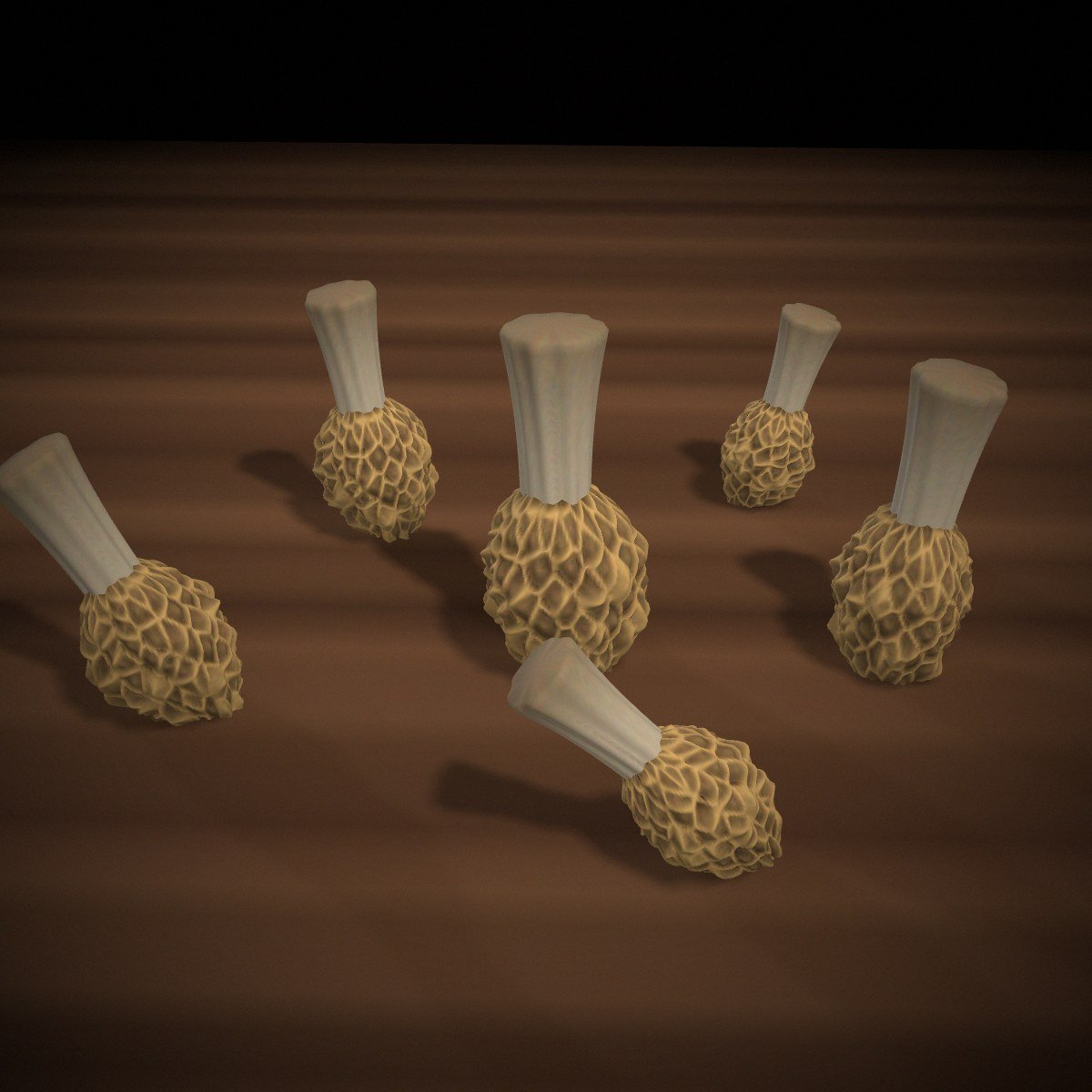
Drag to rotate · scroll past to spin
01 · Morchella esculenta
Guchhi Mushroom
The diamond of the forest. Prized worldwide for a deep, earthy, umami-rich flavour and a honeycomb texture nothing else quite reproduces.
Guchhi has resisted every serious attempt at commercial cultivation, which is precisely why it costs what it costs. Every cap in this box was found by a person walking a slope in Kullu, Chamba or the forests of Kashmir, cut at the stem so the mycelium survives, carried down in mesh, and dried in the sun for four to six days.
Fifty grams looks like very little until you soak it. It swells to several times its dry weight, and the soaking liquid — which most people throw away — is the most concentrated thing in your kitchen that week.
- Species
- Morchella esculenta
- Ingredients
- 100% dried morel mushrooms. Nothing else.
- Origin
- Himalayan region, India — Kullu, Chamba & Kashmir forests
- Net weight
- 50 g
- M.R.P.
- ₹1,500 (incl. of all taxes)
- Harvest window
- March – May, roughly six weeks
- Drying
- Sun-dried, 4–6 days — never kilned
- Shelf life
- 12 months from the date of packing
- Storage
- Cool, dry place. Airtight or refrigerated after opening.
- FSSAI
- Lic. No. 23326001002346
| Nutrient | Value |
|---|---|
| Calories | ~115 – 155 kcal |
| Protein | ~11 – 16 g |
| Carbohydrates | ~23.5 g |
| Dietary fibre | ~8.5 g |
| Fat | ~0.3 – 1 g |
| Nutrient | Note |
|---|---|
| Iron | ~6 mg — highly concentrated, good against fatigue |
| Potassium | ~205 mg — supports heart health and fluid balance |
| Vitamin D | Rich in plant-based vitamin D |
| B-vitamins | Good source of riboflavin (B2) and niacin (B3) |
| Phosphorus | Trace amounts that aid oral and bone health |
How to use
Culinary uses: guchhi pulao, morel risotto, cream-and-thyme sauces for game or chicken, Kashmiri yakhni, or simply sautéed in butter with nothing else in the pan.
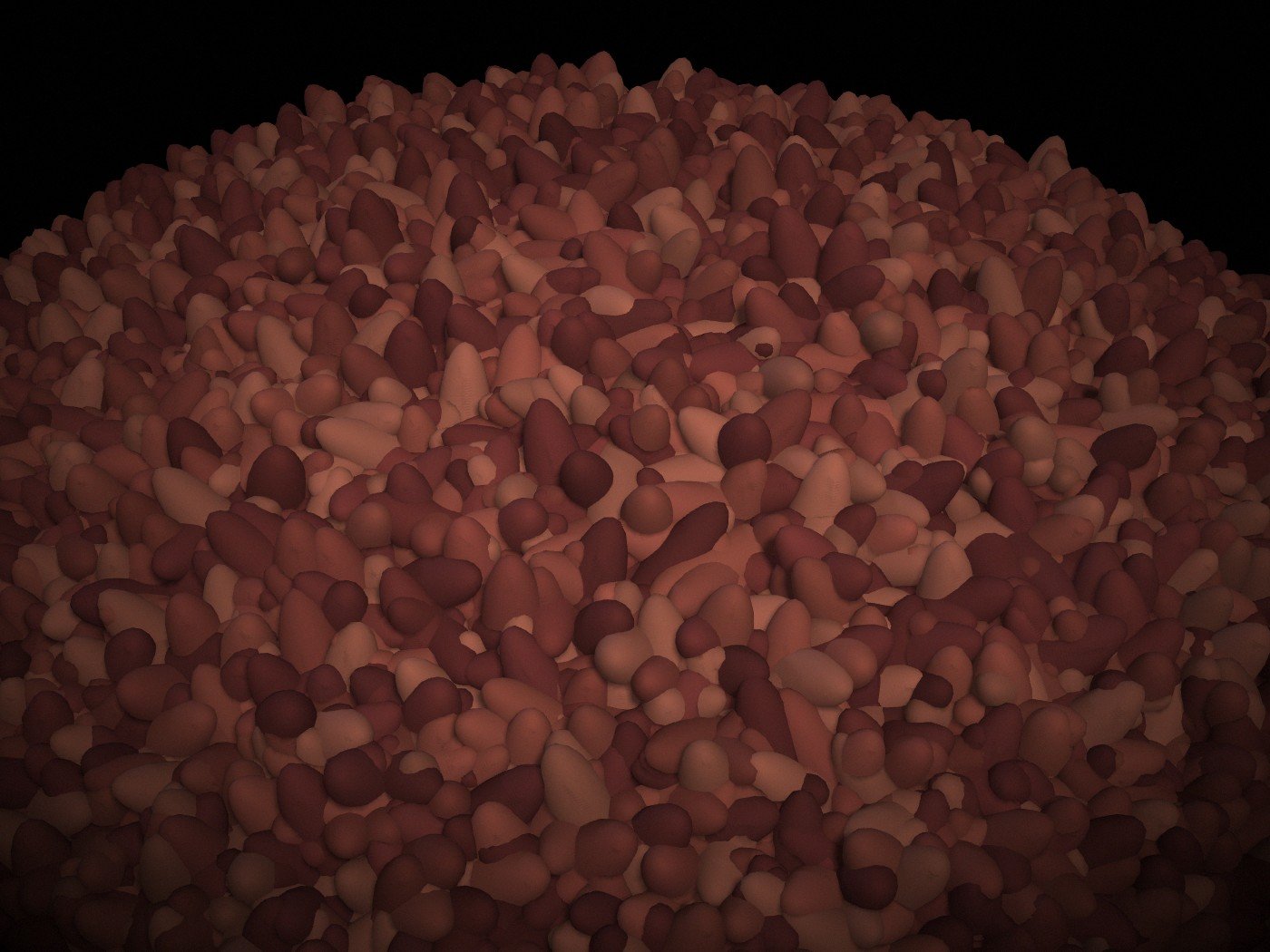
02 · Oryza sativa, red pericarp
Himalayan Red Rice
Grown on rain and snowmelt, on terraces cut into the oak belt above Shimla that nobody has ever managed to level flat.
The colour is not a treatment — it is the bran layer, left on. Milling it off would make the grain cook faster and keep longer, and would also throw away most of the reason to eat it. Cool nights slow the grain down and set the anthocyanins that give it that deep russet.
It eats nutty and faintly sweet, and it keeps its bite in a way white rice cannot. Give it longer than you think — around 35–40 minutes, or soak it first and cut that roughly in half.
- Origin
- Shimla hills, Himachal Pradesh — 1,400 – 2,400 m
- Farming
- Rain-fed terraces, snowmelt irrigation, traditional smallholder
- Milling
- Unpolished — bran layer intact
- Harvest
- September – October
- Pack
- 1 kg
- Cooking
- 1 : 2½ rice to water · 35–40 min · soak to shorten
| Nutrient | Value |
|---|---|
| Energy | ~356 kcal |
| Protein | ~7.5 g |
| Carbohydrates | ~76 g |
| Dietary fibre | ~3.5 g |
| Iron | ~2.5 mg |
Indicative values for unpolished red rice; the crop varies by season and terrace.
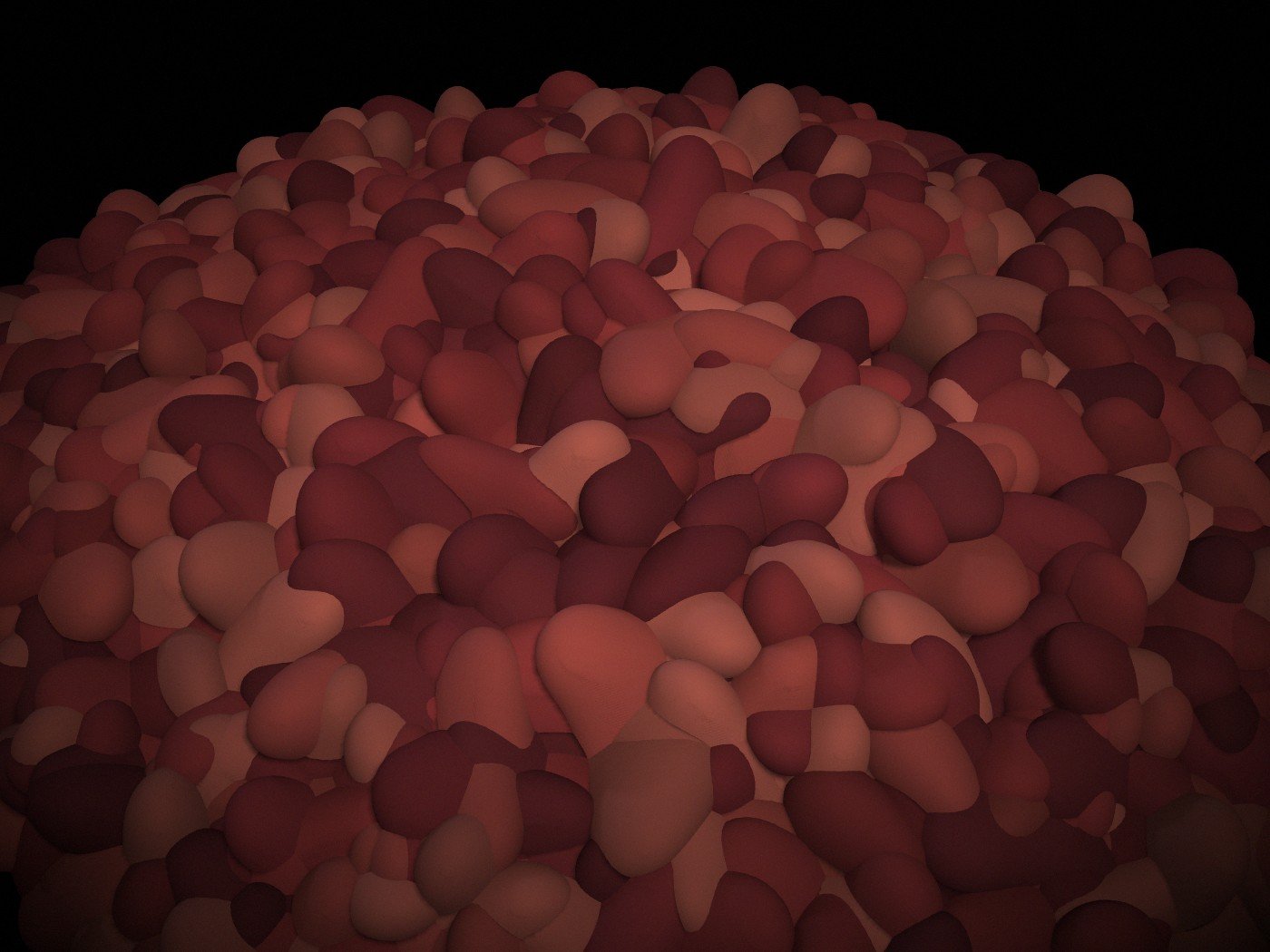
03 · Phaseolus vulgaris, Bharmour
Premium Rajma
A mountain bean from the steep dryland plots around Bharmour, in Chamba — small, thin-skinned, and grown where a tractor simply cannot go.
Bharmour rajma is not the big glossy kidney bean of the plains. It is smaller and it takes a long season — 150 days or more — with cold nights that build a skin fine enough to go soft without bursting. That is the whole trick: it holds its shape through a slow braise and still turns creamy inside.
Soak overnight. Then give it far longer on the heat than you would give a supermarket bean, and do not salt it until it is nearly there.
- Origin
- Bharmour, Chamba district — 2,000 – 2,900 m
- Farming
- Smallholder dryland plots, long season (150+ days)
- Harvest
- October – November
- Pack
- 500 g
- Taste
- Creamy, faintly sweet, holds its shape
- Cooking
- Soak 8 hrs · pressure cook 20–25 min · salt late
| Nutrient | Value |
|---|---|
| Energy | ~333 kcal |
| Protein | ~24 g |
| Carbohydrates | ~60 g |
| Dietary fibre | ~15 g |
| Iron | ~8 mg |
Indicative values for dried kidney beans; the crop varies by season and plot.
Recipe suggestions: classic rajma-chawal with the Himalayan red rice above; a slow Punjabi-style masala; or cooked plain and dressed warm with onion, lemon and green chilli.
Buying for a kitchen, not a cupboard?
We supply restaurants, hotels, speciality grocers and distributors. Tell us the volume and the season you need it for.